Guides
SBA loans and OSHA duties for a short-term rental management business
SBA 7(a) loans, 504 and microloans fund vans and payroll, while hired cleaners bring OSHA duties, PPE rules and wage law into the rental business.
What to take away
- SBA 7(a) loans cover working capital and payroll gaps, 504 fits a building you buy, and microloans fit a first van or a second crew.
- OSHA duties start with your first employee, not your LLC filing. A solo operator with no staff sits outside most of it.
- PPE standard 1910.132, hazard communication and bloodborne pathogens 1910.1030 cover the chemicals and sharps your crews meet in the field.
- The DOL treats cleaners you schedule, supply and inspect as employees, which brings payroll taxes and workers' compensation.
- Build the compliance file before the first hireI-9s, W-4s, SDS binders, PPE issue logs and training records.
What an SBA loan will and will not fund
A management company sells labor and coordination. You borrow against receivables, equipment and owner contracts, not against the house.
SBA loan program fit
Microloan
- Best for
- First van, PPE
- Collateral
- Light
- Term
- Short
- Who packages
- Nonprofit intermediary
7(a)
- Best for
- Payroll gap
- Collateral
- Receivables, equipment
- Term
- Longer
- Who packages
- Participating lender
504
- Best for
- Buying building
- Collateral
- Real asset
- Term
- Long-term
- Who packages
- Certified development company
SBA 7(a) loans are the workhorse. They cover working capital, linen and furniture inventory, a laundry build-out, software, and the gap between paying staff Friday and collecting from the owner on the fifteenth.
Terms run longer than most bank lines, which matters when a van loan and a deposit account sit on the same balance sheet. Program details are on the 7(a) loans page.
The 504 program is narrower. It fits real assets: a warehouse for linen storage, a shop you own, long-life equipment. Most managers lease office space and park vans in a lot, so they never touch 504. Buy a building and 504 pairs a bank loan with a certified development company debenture.
Microloans are the entry point. They are small, they come through nonprofit intermediaries, and they suit a manager adding a second crew or a first van. Underwriting leans on contracts and credit rather than hard collateral. Read the Microloans page before applying.
Likely fit
- First van, vacuums, PPE stock
- Microloan
- Payroll gap across 20 units
- 7(a)
- Buying a laundry building
- 504
- Software and keyless locks
- 7(a) or microloan
Why
- First van, vacuums, PPE stock
- Small ticket, light collateral
- Payroll gap across 20 units
- Working capital, longer term
- Buying a laundry building
- Real asset with a long life
- Software and keyless locks
- Depends on the amount
Lenders care about concentration. If one owner supplies half your revenue, say so and show the pipeline that fixes it. They also want to see that your startup costs are realistic, deposit and first payroll included.
Tie the ask to a number. "Sixty thousand for two vans, a commercial washer and six weeks of payroll for four cleaners" beats "capital to grow." Bring owner agreements, twelve months of projections and a unit schedule.
Lender Match and certified development companies
SBA Lender Match is a free tool that routes your profile to participating lenders. You answer questions about revenue and loan amount, then lenders who want the file contact you. It is neither an approval nor a broker. Start at Lender Match.
Lender Match submission checklist
- One-page summaryunits, rate, owners, staff
- Three years personal tax returns and financial statement
- Owner contracts or letters of intent
- Twelve-month cash flow forecast showing payroll gap
- Collateral listvehicles, equipment, receivables, building
- Fixed amount and use before first conversation
Certified development companies matter only for 504. They package the long-term portion of a real estate or equipment deal. If you are not buying a building, you will not deal with one.
Expect seasonality questions. A Florida or Arizona manager peaks in winter and troughs in summer. Colorado and Tennessee often run the reverse. Show the reserve that covers the slow months.
Ask each lender three things: the rate, whether it is fixed or variable, and what happens if you miss a covenant. Fees, packaging costs and guaranty fees land on you, so compare total cost, not the headline rate.
OSHA duties start with the first hire
OSHA coverage turns on employees, not incorporation. Hire cleaners or maintenance techs and direct their work, and you are an employer under the Occupational Safety and Health Act.
The general duty clause requires a workplace free from recognized hazards. In STR work those hazards are specific. They include:
- wet tile
- ladders
- balconies
- dog bites
- needle sticks
- heat stress in an unairconditioned unit in a Texas summer
Your duties break into four buckets:
- A written safety and health program naming who owns it.
- A hazard assessment for each task before a new hire performs it.
- Training in a language the worker understands, dated and signed.
- Recordkeepingan OSHA 300 log above ten employees, plus an incident report for every injury.
OSHA reporting clocks
- Within 8 hoursReport a fatality
- Within 24 hoursReport hospitalization, amputation, or loss of an eye
Cleaning crews carry hazards between properties. A crew cleaning six condos a day drives between them, hauls supplies upstairs and works alone in vacant units. Address lone work, driving and lifting in the written program.
Maintenance techs add electrical, pool chemical and tool hazards. Anyone touching pool systems in Florida or Arizona needs chemical training, not just a label. Lock and HVAC work needs lockout procedures and the right meters.
Documentation is the defense. When an inspector arrives, a binder of training records, hazard assessments and incident reports does more than any policy written afterward. The same discipline shows in your markets for short-term rental, which should mirror the safety program.
PPE, hazard communication and bloodborne pathogens
OSHA PPE standard 1910.132 requires you to assess the workplace, select the right equipment and provide it at no cost. You also train workers on when to wear it, how to put it on and take it off, and how to care for it. The rule is at 1910.132.
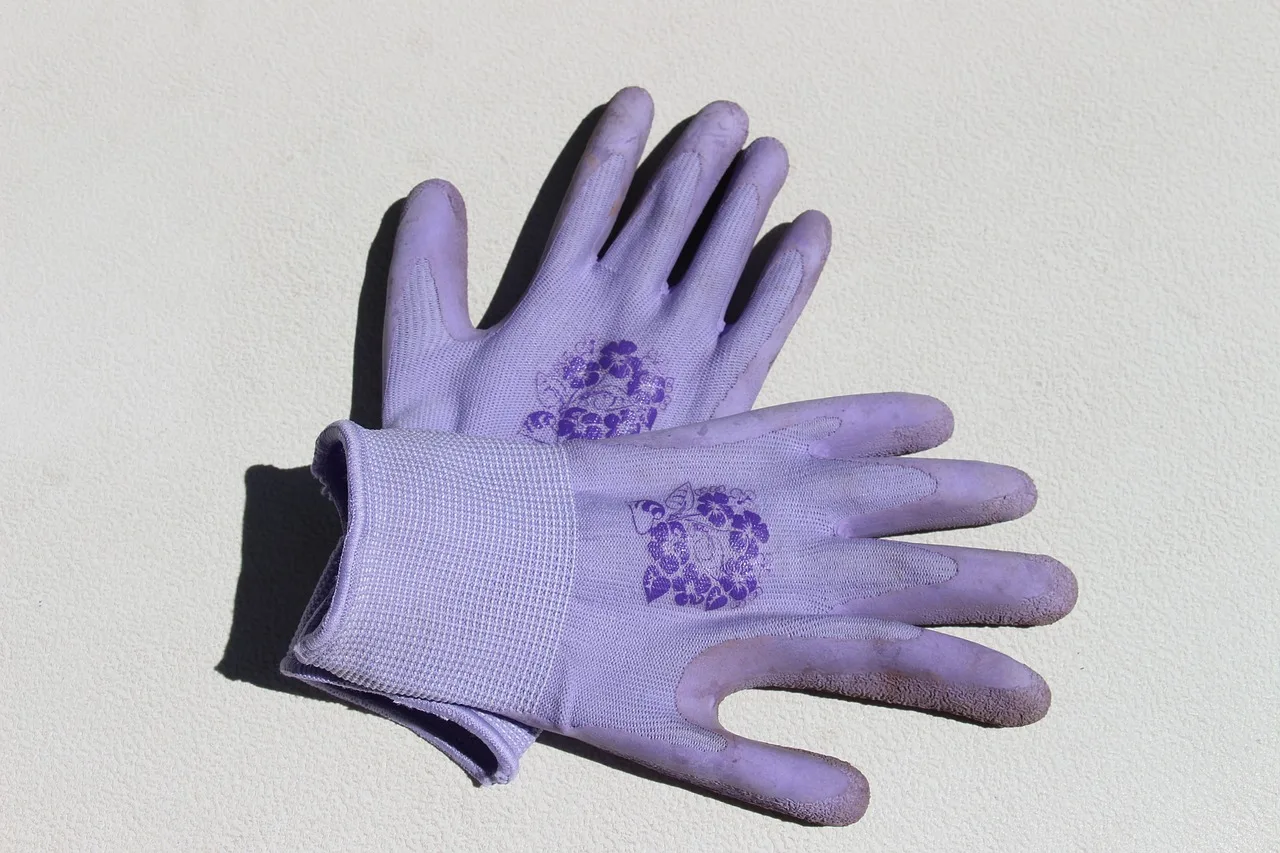
For STR cleaners the kit is cheap and unglamorous: nitrile gloves, eye protection for mixing, closed-toe non-slip shoes, knee pads for tile. Add respirators only if a product label or safety data sheet calls for them, and then you owe the full respiratory protection program, medical evaluation and fit testing included.
Hazard communication is the piece managers skip. Every chemical in the caddy needs a safety data sheet. Every secondary spray bottle needs a label. Do not decant bleach into an unmarked bottle. Keep the SDS binder in the van and a copy in the office.
Bloodborne pathogens standard 1910.1030 applies to workers with reasonably anticipated contact with blood or other infectious material. Housekeepers changing linens and cleaning bathrooms meet that test more often than managers admit.
The standard requires an exposure control plan, training, hepatitis B vaccination offered at no cost, and gloves. A needle in a trash bag is the scenario that triggers it.
Build the PPE program in five steps:
- Walk a unit with a new hire and list every task and every chemical.
- Match each task to the PPE the label and the SDS require.
- Buy the gear in the right sizes and log who got what, and when.
- Train on use, removal and disposal, then have the worker sign and date.
- Reassess when you add a product, a property type or a task.
Laundry adds pinch points, hot surfaces and, in some buildings, gas. Train on the equipment and keep manuals where staff can reach them. Your SOP checklist should name the PPE for each cleaning task, so the gear is not optional in practice.
Employees or contractors: the control test
The Fair Labor Standards Act sets the floor: minimum wage for all hours worked, overtime at time and a half past forty in a workweek, limits on youth employment. Cleaners paid by the unit still count hours. A flat rate per turnover does not exempt you from overtime in a long week.
The harder question is classification. The DOL guidance is blunt: control the schedule, the methods and the tools, and the worker is likely an employee. The agency's position is published at Misclassification of Employees as Independent Contractors.
Ask yourself:
Employee or contractor?
Do you assign the units and the times?
Do you supply the chemicals and the vacuum?
Can the worker send a substitute without your approval?
Employees bring payroll taxes, workers' compensation in nearly every state, and unemployment insurance. Those on-costs are real money. Budget them against your pay rates before quoting an owner a management fee.
Timekeeping matters. Rounding that always favors the company draws scrutiny. Meal breaks must be genuinely free from duty. Travel between properties is generally compensable for an employee who drives a company van or carries supplies.
Some states go further than the federal floor. California has daily overtime and strict expense reimbursement rules. New York sets higher thresholds and spread-of-hours pay in some sectors. Operate in more than one state and you run payroll under the strictest one you touch, or run separate policies.
When you hire reliable staff, decide classification before you post the ad. Retrofitting a contractor arrangement into payroll costs more than starting on payroll and paying the taxes from day one.
The compliance file, built before the first hire
A compliance file is a binder an inspector, a lender or a lawyer can read in ten minutes. Build it before the first hire, not after the first injury or audit.
Compliance file contents
- HiringI-9, W-4, offer letter, job description, safety acknowledgment
- Safetywritten program, hazard assessments, SDS binder, PPE log, training records
- Payrollclassification memo, timekeeping, pay stubs, workers' comp, unemployment account
- Insurancegeneral liability, commercial auto, workers' comp, umbrella certificates
- Property and clientowner agreements, unit permits, local license numbers
Local permits belong in the file because they can be pulled. Florida, Colorado, Tennessee and other states run short-term rental permit systems through state agencies or counties, and some cities require the manager to hold or display a license. Keep the numbers with the unit list, and confirm the current requirement with the issuing agency or local counsel.
Set a review calendar. Insurance renews, SDS sheets change when you switch products, training expires. A quarterly review keeps the file alive instead of decorative.
Use the file when you apply for credit. A lender reading a clean binder sees a manager who will not blow up on a wage claim or a citation. That is worth real basis points on a 7(a) loan.
Write down who does what. One named person owns safety, one owns payroll, one owns the client relationship. In a ten-person company those may be the same person, but the names belong on paper.
Common questions
Do I need an SBA loan to start a short-term rental management business?
No. Many managers start on savings, a credit card and owner deposits. Microloans and 7(a) loans matter when you need vans, equipment or a payroll cushion before revenue catches up.
Can I treat my cleaners as 1099 contractors?
Rarely, if you set their schedule, supply their chemicals and inspect their work. The DOL control test treats that as employment, which brings payroll taxes and workers' compensation. Classification questions belong with a licensed CPA or employment attorney.
Does OSHA apply to a small STR management company?
Yes, once you have employees. The general duty clause, the PPE standard and hazard communication apply regardless of size. Recordkeeping thresholds depend on employee count. Confirm your specific obligations with OSHA or a qualified safety professional.
What PPE do cleaners actually need?
Gloves, eye protection when mixing, closed-toe non-slip shoes and knee pads cover most tasks. Respirators only if a label or safety data sheet requires them, and then with a full program.